Exhale the Workday, Enter Home with Ease

Step into a calmer evening with practical, evidence-informed transition rituals that decompress you between work and home. Discover quick movements, sensory cues, mindful prompts, and environmental tweaks that release the day’s charge and invite presence, connection, and play. Try one tonight, share your experience, and refine your personal sequence all week.

The Psychology of Letting Go

Pressure rarely disappears the moment you close your laptop. Your nervous system benefits from a clear bridge that tells the brain work is complete and home can begin. Studies on context switching show intentional rituals reduce rumination, restore executive function, and improve mood. By building consistent closing cues, you reclaim attention, lower cortisol more quickly, and arrive as your most generous self.

Design Your Personal Transition Script

Rituals work best when they feel like you. Craft a concise sequence that matches your energy, culture, household rhythms, and schedule. Mix movement, breath, scent, light, hydration, and a single reflective question. Keep it short enough for busy days, consistent enough to train your nervous system, and flexible enough to travel with you. Document it, refine weekly, and invite accountability.

Move the Stress Through the Body

Stress is a physical event, so let the body lead. Short, rhythmic movements metabolize adrenaline and signal completion better than thinking alone. Design a brief routine you can perform anywhere: a threshold walk, light mobility, or playful shaking. Keep intensity moderate, breathe through your nose when possible, and notice the precise moment your shoulders drop. Movement creates the unmistakable permission to be home now.

The Threshold Walk

Walk around the block before entering your home, treating the front door as a finish line you will cross only once you have exhaled the day. Choose a landmark to symbolize release—a tree, mailbox, or mural—and pause there. One reader, Maya, touches a brick wall gently, thanks her effort, then leaves it there. The door opens to warmth rather than leftover meetings.

Mobility Flow with Breath

Pair joint circles, spinal waves, and hip openers with slow exhales. A nine-minute flow loosens the physical postures of concentration while coaxing the parasympathetic system online. Inhale through the nose, exhale twice as long, and feel your ribcage soften. This gentle choreography, practiced daily, makes tight deadlines less sticky, turning your living room into a welcome studio for restoration and playful presence.

Shake, Dance, Unfreeze

Shaking is nature’s built-in reset. Stand, bend knees, and jiggle from feet to jaw for sixty seconds, then put on one joyful track and move without choreography. Jamal reports a single chorus transforms his mood and his toddler joins, laughing. This playful unfreezing discharges micro-anger and tension quickly, replacing it with rhythm, connection, and an almost immediate readiness to listen, hug, and share dinner.

Quiet the Mind, Set the Tone

Shape the Environment to Support the Shift

Spaces cue behavior. Design your entry and first five minutes at home to make the desired state effortless. Create a landing zone, soften light, switch soundscapes, and hide work cues. Keep your ritual tools visible and beautiful. By engineering friction against old habits and removing friction for new ones, you consistently glide into evening mode. Share photos or ideas to inspire our community.

A Transition Beverage Ceremony

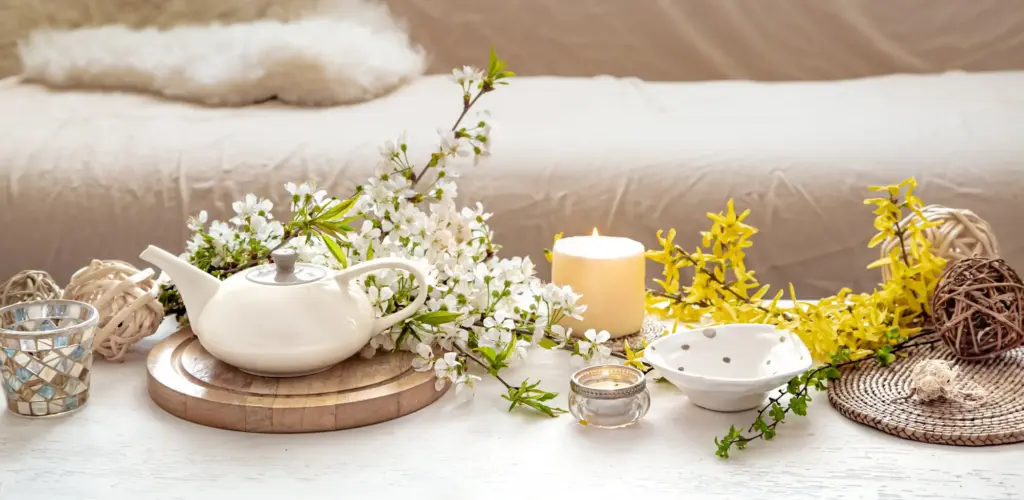
Choose a consistent drink that you only enjoy after work—perhaps herbal tea with lemon, a tart shrub, or a sparkling water with bitters. Prepare it the same way each evening using a special glass. As you stir, breathe. Let the aroma mark the emotional crossing. Readers report the first sip becomes a bell that turns chatter into quiet, escorting them toward presence and laughter.

Stabilizing Snack, Steadier Mood

A small protein-and-fiber snack can prevent the blood sugar dip that often fuels impatience. Consider yogurt with nuts, hummus with vegetables, or an apple with peanut butter. Assemble it deliberately, plate it beautifully, and eat away from screens. Pair with a few slow breaths. Notice how arguments you used to have at six o’clock simply do not arise once your body feels supported.

Cooking as Meditative Handwork

Chopping onions, rinsing rice, and stirring a simmering pot can become moving meditation. Choose recipes that welcome repetition and aroma. Play music or invite a family member to keep you company without problem-solving. The kitchen becomes a studio for texture, heat, and patience. Finishing a simple dish offers closure and accomplishment, transmuting work effort into nourishing care everyone can taste and remember.